About Polyurethane Textile Components
Polyurethane Textile Components
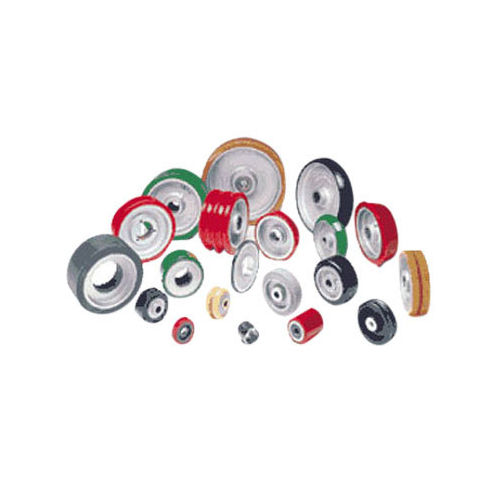
Polyurethane textile components are essential for enhancing the efficiency and durability of textile machinery. With their high resistance to wear, flexibility, and long service life, these components ensure smooth and reliable operations in the textile industry.
Key Components and Their Applications
1. Ruti C Loom Components
- Shuttle Jaws and Jama Buffers: Enable seamless weaving operations.
2. Tension Control and Stress Management
- Tension Pins, False Twisters, and Buffers: Maintain consistent tension and reduce mechanical stress during textile processing.
3. High-Performance Components
- Crimping Types, Lohia Types, and PU Discs: Deliver reliable performance under heavy operational loads.
4. Seals and Rings
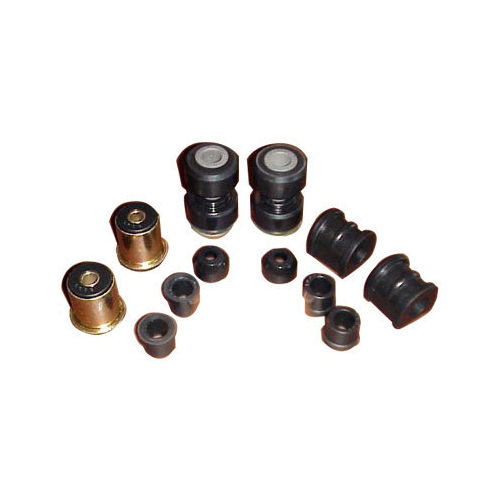
- Synthetic Rings, Wiper Seals, O Rings, and Tongue-less Jaws: Enhance machinery durability and functionality.
5. Braking Solutions
- Sulzer Brakes: Provide dependable braking, improving operational safety and efficiency.
Versatile and Reliable
The versatility and reliability of polyurethane components make them indispensable for modern textile manufacturing, ensuring smooth operations and optimized performance.
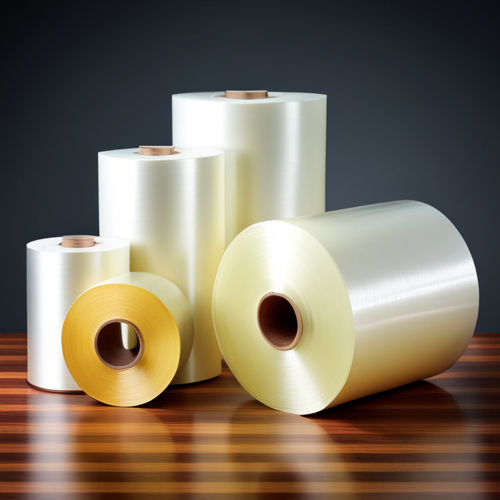
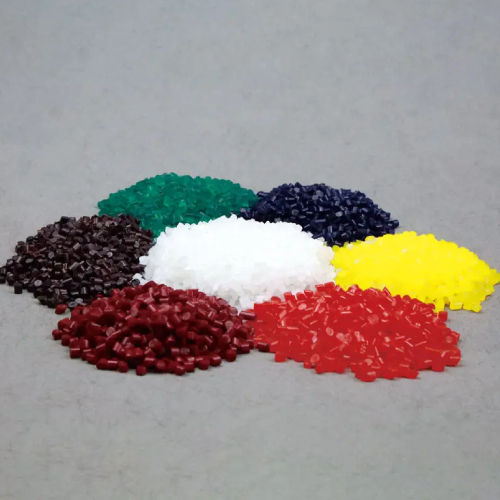
Superior Material and Precision ShapingConstructed from thermoplastic polyurethane (TPU) using injection molding, these textile components feature remarkable strength and resilience. The smooth surface finish and solid yellow coloring enhance their aesthetic appeal and operational practicality in textile machinery. Flexible design options allow for custom lengths and weights to suit specific industrial needs.
Optimized Performance for Textile ApplicationsThe components are engineered to resist heat up to 80C and safeguard against UV exposure, making them ideal for demanding textile production environments. Leak protection is integrated into the design, minimizing maintenance and downtime for manufacturers, suppliers, and wholesalers operating globally from India.
FAQs of Polyurethane Textile Components:
Q: How are Polyurethane Textile Components manufactured?
A: These components are produced through injection molding, utilizing thermoplastic polyurethane (TPU) to achieve precise shapes and smooth surface finishes. The process allows for both standard and custom sizes and weights to meet specific application requirements.
Q: What benefits do these textile components offer for textile machinery?
A: Polyurethane Textile Components provide excellent heat resistance (up to 80C), UV stability, and leak protection, which prolongs equipment lifespan, reduces operational interruptions, and ensures reliable, efficient performance in textile production.
Q: When should I consider using TPU-based textile components?
A: TPU-based components are recommended when you require durability, resistance to high temperatures, UV stability, and customized features to match unique machinery settings. They are particularly valuable for conditions where leak prevention and longevity are essential.
Q: Where can I source these components in India?
A: You can obtain these Polyurethane Textile Components directly from exporters, manufacturers, suppliers, and wholesalers based in India. They offer a range of standard and custom options to fit diverse textile industry needs.
Q: What is the process for customizing the length and size of these components?
A: Customization involves specifying the required dimensions during the order placement. The injection molding process then adapts to these specifications, delivering components tailored to your textile machinerys requirements.
Q: How are these components used within the textile industry?
A: They are typically integrated into textile processing machines and equipment, providing critical functionalities that include sealing, insulation, and protection from heat, UV rays, and leaks. Their adaptability makes them suitable for a wide variety of textile production systems.
Q: What are the main advantages of choosing injection-molded TPU components over conventional materials?
A: TPU components offer superior strength, flexibility, heat resistance, and UV protection compared to conventional materials. The injection molding process further enhances precision, repeatability, and suitability for both standard and specialized textile applications.





 Send Inquiry


 Send Inquiry