About Polyurethane Oil Seals
Polyurethane Oil Seal
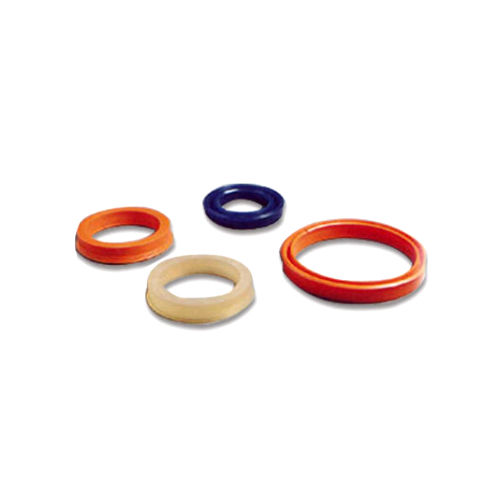
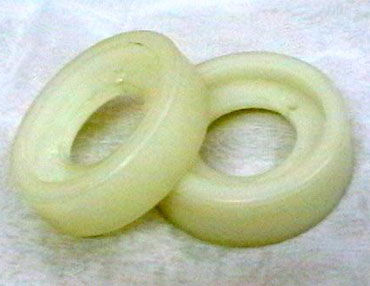
Polyurethane oil seals are critical components in mechanical systems, designed to prevent fluid leakage and maintain pressure integrity. Their exceptional durability, wear resistance, and ability to withstand high pressures and harsh environments make them an ideal choice for demanding applications.
Applications
1. Hydraulic Jacks
In hydraulic jacks, polyurethane oil seals ensure smooth operation by preventing the leakage of hydraulic fluids, contributing to the systems efficiency and reliability.
2. Pneumatic Cylinders
In pneumatic cylinders, these seals provide airtight sealing, maintaining consistent pressure and enhancing overall system performance.
Key Features
- Flexibility: Adapts to various operating conditions.
- Resistance to Abrasion: Ensures a long service life.
- Compatibility: Functions effectively in diverse environments.
Reliable and Versatile Solution
Polyurethane oil seals extend machinery life, reduce maintenance, and are indispensable in industries utilizing hydraulic and pneumatic systems, offering unmatched efficiency and performance.
Superior Leak Prevention TechnologyEngineered with a double lip design, our Polyurethane Oil Seals ensure robust leak protection. The precise shaping via injection molding maintains a tight seal, even in high-pressure environments. Resistant to UV exposure and aggressors, they preserve performance and durability over time, making them ideal for operations requiring stringent containment.
Versatile Sizing and CustomizationChoose from a wide range of lengths and weights, allowing for a tailored solution for any application. With customizable sizes and solid, uniform color patterns, these seals seamlessly fit into diverse machinery configurations. Both injection and compression molding processes help accommodate specific client requirements.
Durable Performance in Harsh EnvironmentsManufactured with thermoplastic polyurethane (TPU), these oil seals withstand substantial stressboasting a tensile strength of 40 MPa and a melting point of 180C. They perform reliably under UV exposure, abrasive contact, and fluctuating temperatures, guaranteeing long-term function in strenuous industrial conditions.
FAQs of Polyurethane Oil Seals:
Q: How do Polyurethane Oil Seals provide effective leak protection?
A: These oil seals utilize a double lip configuration to create a tight seal that prevents fluid leakage. The precision afforded by injection molding further enhances their performance by ensuring consistent contact with mating surfaces, making them highly effective in hydraulic and machinery applications.
Q: What types of machines and industries use these Polyurethane Oil Seals?
A: Polyurethane Oil Seals are commonly used in automotive, hydraulic, agricultural, and industrial equipment where reliable fluid containment is essential. Their durability and resistance to chemicals, UV, and abrasion make them suitable for heavy-duty operations.
Q: When should a customized oil seal be selected for a project?
A: A customized oil seal should be chosen when equipment requires specific dimensions, weights, or color coding to meet operational or maintenance standards. Our product line supports varying lengths from 50 mm to 500 mm and adaptable sizes for unique setups.
Q: Where are these oil seals manufactured and supplied from?
A: Our Polyurethane Oil Seals are manufactured, supplied, and exported from India, ensuring high-quality standards and prompt delivery for projects across domestic and international markets.
Q: What is the process used to shape these Polyurethane Oil Seals?
A: We employ both injection and compression molding processes utilizing thermoplastic polyurethane. These methods allow for precise shaping and excellent surface quality, which is integral to maintaining a strong and reliable seal.
Q: What are the primary benefits of choosing polyurethane over other materials for oil seals?
A: Polyurethane offers superior tensile strength, high resistance to abrasion, excellent flexibility, and reliable endurance against UV and chemical exposure. This makes our seals especially suitable for challenging environments compared to traditional rubber alternatives.




 Send Inquiry


 Send Inquiry