About Polyurethane Wheel
Polyurethane Wheels
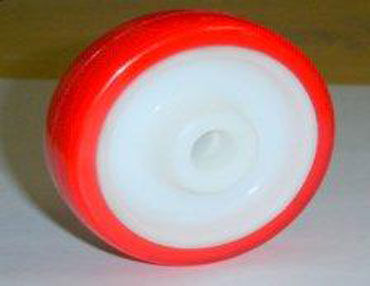
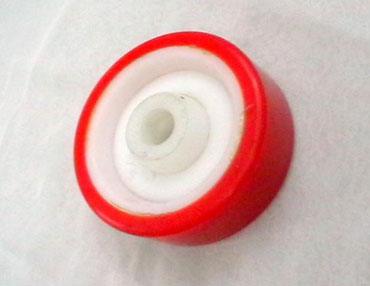
A Polyurethane Wheel is a highly durable and versatile wheel made from polyurethane, a synthetic material known for its excellent resistance to wear, impact, and abrasion. These wheels are widely used in material handling, transportation, and industrial equipment due to their superior load-bearing capacity and shock absorption properties.
Key Features and Benefits
- Durability and Versatility: Offers excellent resistance to wear and tear in various applications.
- Smooth and Quiet Ride: Ensures a comfortable and quiet operation, even under heavy loads.
- Chemical and UV Resistance: Resistant to oils, chemicals, and UV exposure, making them suitable for both indoor and outdoor use.
- Floor Protection: Less likely to damage floors compared to rubber or metal wheels, making them ideal for sensitive surfaces.
- Reduced Maintenance Costs: Maintains shape and function under heavy loads, reducing the need for frequent replacements.
Applications
Polyurethane wheels are commonly used in:
Available in a variety of sizes and designs, polyurethane wheels offer a cost-effective and long-lasting solution for industries requiring durable, high-performance wheels in demanding environments.
Durability You Can TrustConstructed with a steel or aluminium core and chemically bonded polyurethane for a strong, lasting bond, these wheels stand up to rigorous industrial use. Their superior abrasion and impact resistance extends product lifespan, making them a cost-effective solution for heavy-duty applications in factories, warehouses, and logistics environments.
Versatility Across IndustriesIdeal for material handling, trolleys, and industrial carts, these wheels excel in diverse application settings across India. Their ability to operate efficiently in temperatures ranging from -20C to 80C makes them suitable for cold storage, manufacturing plants, and more. Their high load capacity and non-marking surface make them a trusted choice for modern logistics.
Maintenance-Free OperationOur polyurethane wheels are designed for minimal maintenance, reducing downtime and total cost of ownership. The ball bearing or plain bearing configuration-selected as per application-ensures smooth rolling and low resistance, while advanced corrosion and chemical resistance keep the wheels running reliably in challenging conditions.
FAQ's of Polyurethane Wheel:
Q: How do I determine the correct wheel size and load capacity for my application?
A: To select the right wheel, consider the total load weight your equipment will carry, then divide that by the number of wheels used. Choose a polyurethane wheel size and design whose rated load capacity slightly exceeds your maximum load to ensure safety and durability in operation. Options range from 2-inch to 10-inch diameters, supporting 100 kg to 1000 kg per wheel.
Q: What makes polyurethane wheels suitable for industrial use?
A: Polyurethane wheels are favored for their high abrasion and chemical resistance, non-marking operation, low rolling resistance, and excellent impact resilience. Their steel or aluminium cores provide robust strength, while their resistance to oils, greases, and mild acids ensures reliability in demanding material handling environments.
Q: Where can these wheels be used effectively?
A: These wheels are ideal for industrial carts, trolleys, material handling equipment, and warehouse platforms. Their wide temperature operating range from -20C to 80C and excellent corrosion and chemical resistance make them suitable for use in factories, distribution centers, and both indoor and outdoor environments.
Q: What is the process of manufacturing these polyurethane wheels?
A: Our wheels are produced using injection molding with thermoplastic polyurethane, which is chemically bonded to a steel or aluminium core. This method ensures uniform strength, a precise shape, and a smooth surface finish. After molding, quality checks are performed to ensure performance, durability, and safety standards are met.
Q: How does minimal maintenance benefit the user?
A: Minimal maintenance reduces the need for frequent replacements and servicing, saving time and overall costs. The smooth rolling and non-marking features lower wear on both wheels and flooring, while corrosion and chemical resistance protect against common types of operational damage.
Q: What are the benefits of choosing a non-marking polyurethane wheel?
A: Non-marking polyurethane wheels protect flooring surfaces by preventing scuffs and marks, making them ideal for sensitive areas like warehouses and production floors. In addition, they help maintain cleaner working environments and reduce long-term facility maintenance costs.




 Send Inquiry


 Send Inquiry